Buying a new roof in Whistler
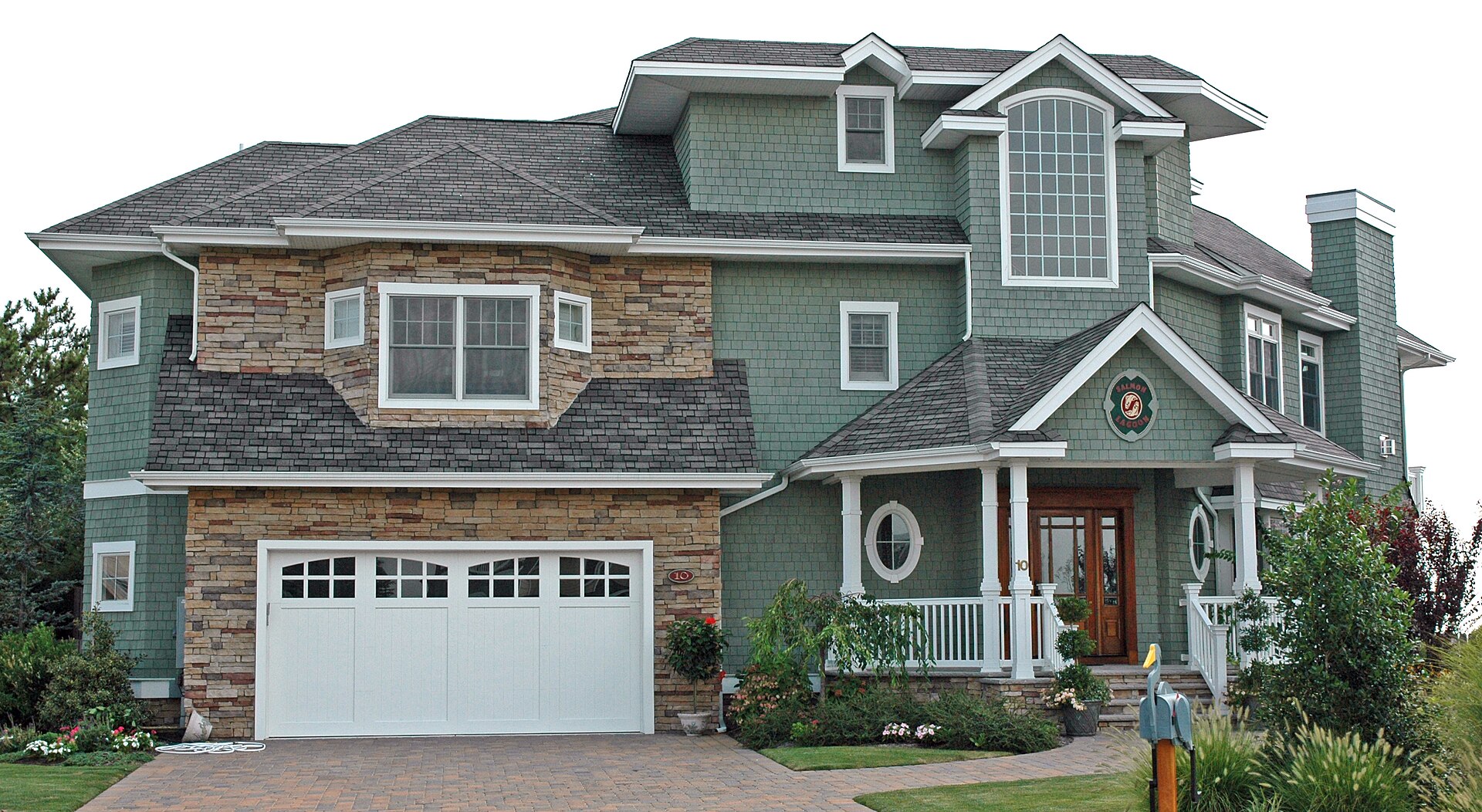
Whistler is a resort municipality of about 14,000 permanent residents in the Coast Mountains, strung along Highway 99 from Function Junction through Creekside and the Village to the northern neighbourhoods around Green Lake. The valley floor sits near 650 m, and the snow that falls on the roofs above it is the defining fact of every roofing decision here. The housing stock is unusually varied for a town this size: older chalets, townhouse complexes and strata buildings, large single-family homes, and a lot of second homes whose owners are not around to watch the job. Roofs are steep and complicated, with dormers, valleys, skylights and multiple levels — the kind of geometry that catches snow and ice and makes a simple reshingle a much bigger piece of work than it looks from the street.
Permits and bylaw rules
The Resort Municipality of Whistler's [building pages](https://www.whistler.ca/business-development/building-and-development-permits/) say a building permit gives official approval to construct, renovate, demolish or alter a structure, and the list of work that does not need one is short — for example minor repairs, painting, decorating and floor replacement. A roof replacement probably needs a permit under the RMOW's Building and Plumbing Regulation Bylaw No. 1617, and the RMOW's own advice when you are unsure is to email a detailed scope of work to [email protected] and let a Building Official say which permits apply. The [Building Permit Application Guide](https://www.whistler.ca/business-development/building-and-development-permits/building-permit-application-guide/) describes the drawings a full application is judged against — roof plans showing slope and material, sections, flashing detail at valleys and roof-wall intersections, ice-damming control under Division B Article 9.26.1 of the BC Building Code, the ground snow load for your elevation — but it does not single out re-roofing: the RMOW publishes a [re-roof application package](https://www.whistler.ca/business-development/building-and-development-permits/multi-unit-residential-building/) for multi-unit residential buildings, and for a single-family home the scope-of-work email is what settles the drawing question. Treat the guide's snow-load and ice-dam points as the design brief your roofer has to meet either way. Many projects need a development permit before the building permit, and the RMOW also flags floodplain and wildfire exemptions, so ask which approvals your address needs. The building department answers at [email protected] or 604-935-8150. If the home is in a strata, the roof is likely common property: get the council and property manager involved early, because exterior appearance, insurance and one-roof-for-the-whole-building decisions all sit with them.
Snow load, ice and the short season
Environment Canada's 1981–2010 normals for the Whistler station at 657.8 m show about 1,228 mm of precipitation and roughly 419 cm of snowfall a year ([en.wikipedia.org/wiki/Whistler,_British_Columbia](https://en.wikipedia.org/wiki/Whistler,_British_Columbia)). That is snow-country roofing. The structure carries a serious ground snow load, the pitch is steep for a reason, and the classic leak is the ice dam: melt water from a warm roof refreezes at the cold eaves and backs under ordinary underlayment. Full ice-and-water membrane at the eaves and valleys, underlayment rated for a buried roof, and attic insulation and ventilation that keep the roof cold and even are the three defences. When the pack releases it can leave all at once, which is why standing-seam metal with snow retention above entries, decks and driveways is a common upgrade. Valleys, skylights and chimney flashings take the worst of it, and that is where spring-melt leaks show up.
The season
The honest window is June through September; snow can arrive in October and stay. Crews are booked early, and a job that slides into late fall risks an open roof under the first storm, with tarps, weather delays and overnight protection priced in. Access matters too: steep driveways, snow clearing and tight resort lots can slow a crew before the first shingle comes off. Book in spring and get the material delivery date in writing.
What drives the price
Snow-country specification is the biggest line: membrane at eaves and valleys, high-rated underlayment, snow retention on metal, heavier-gauge flashing and ventilation sized for a cold roof. Then the geometry — dormers, valleys, multiple levels and steep pitches all add labour and safety setup. Then the deck: sheathing repairs after a heavy-load winter are common and usually billed per sheet. Strata coordination, permit fees, staging on a tight or steep lot, and the material choice (architectural asphalt, metal, or a cedar re-do) round out the differences. Travel time shows in the quote, so get three.
What to ask each Whistler roofing contractor
- Which permits does my address need — building, development, or both — and who confirms the floodplain or wildfire exemption before we start?
- What snow load was my roof built to, and what does your proposed assembly assume?
- What ice-and-water membrane and underlayment spec go at the eaves, valleys and around skylights?
- On metal, what snow-retention layout above entries and driveways is in the quote?
- How do you protect the open roof if a storm arrives overnight, and how does that change the schedule?
- If this is a strata, what do you need from the council and property manager, and how do you handle common-property access?
- What is the per-sheet rate for sheathing found rotten mid-job, in writing?
- Can you show a WorkSafeBC clearance letter and liability insurance before any deposit — and what is the workmanship warranty in years, separate from the manufacturer's coverage?