Buying a new roof in North Cowichan
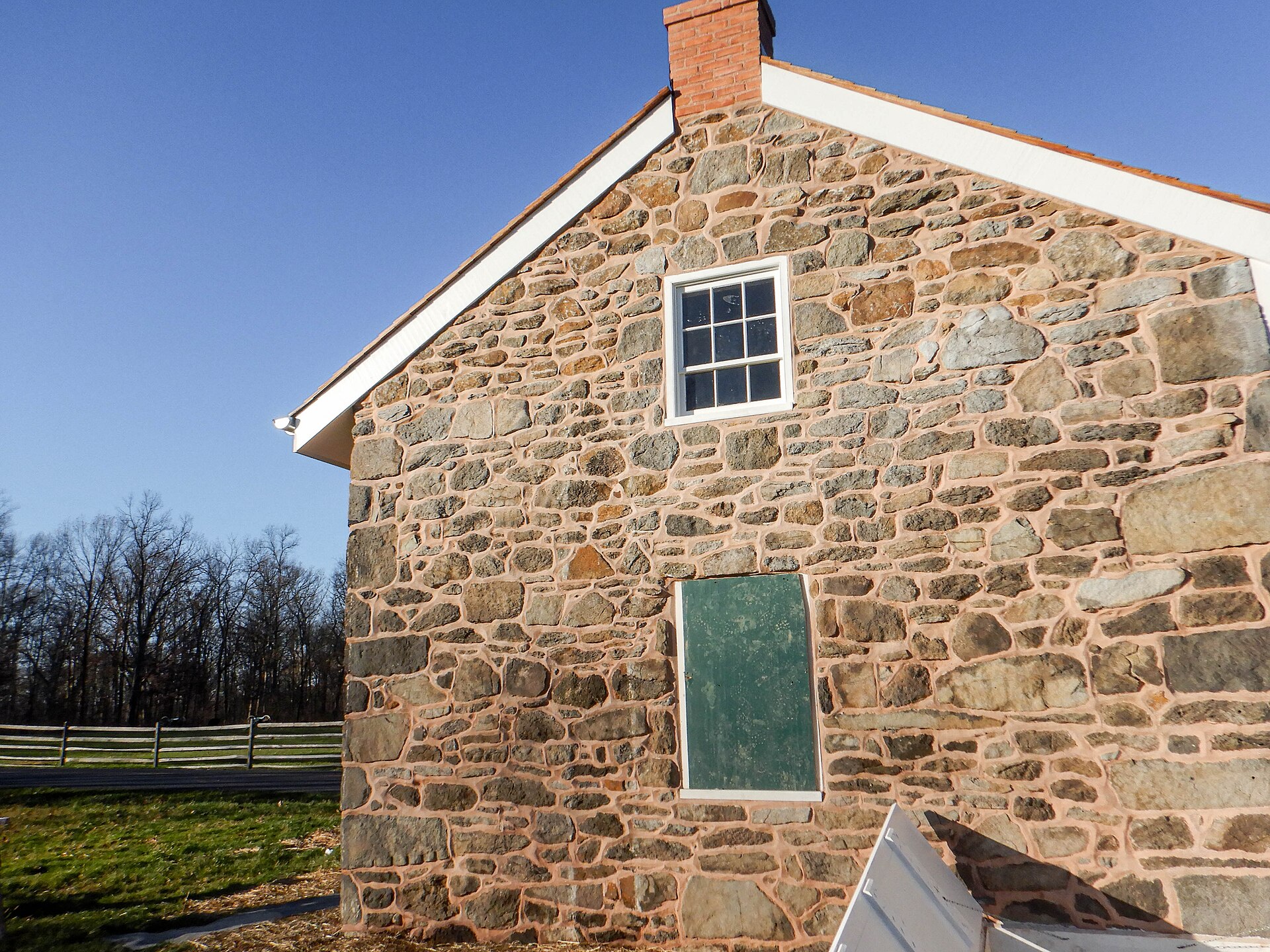
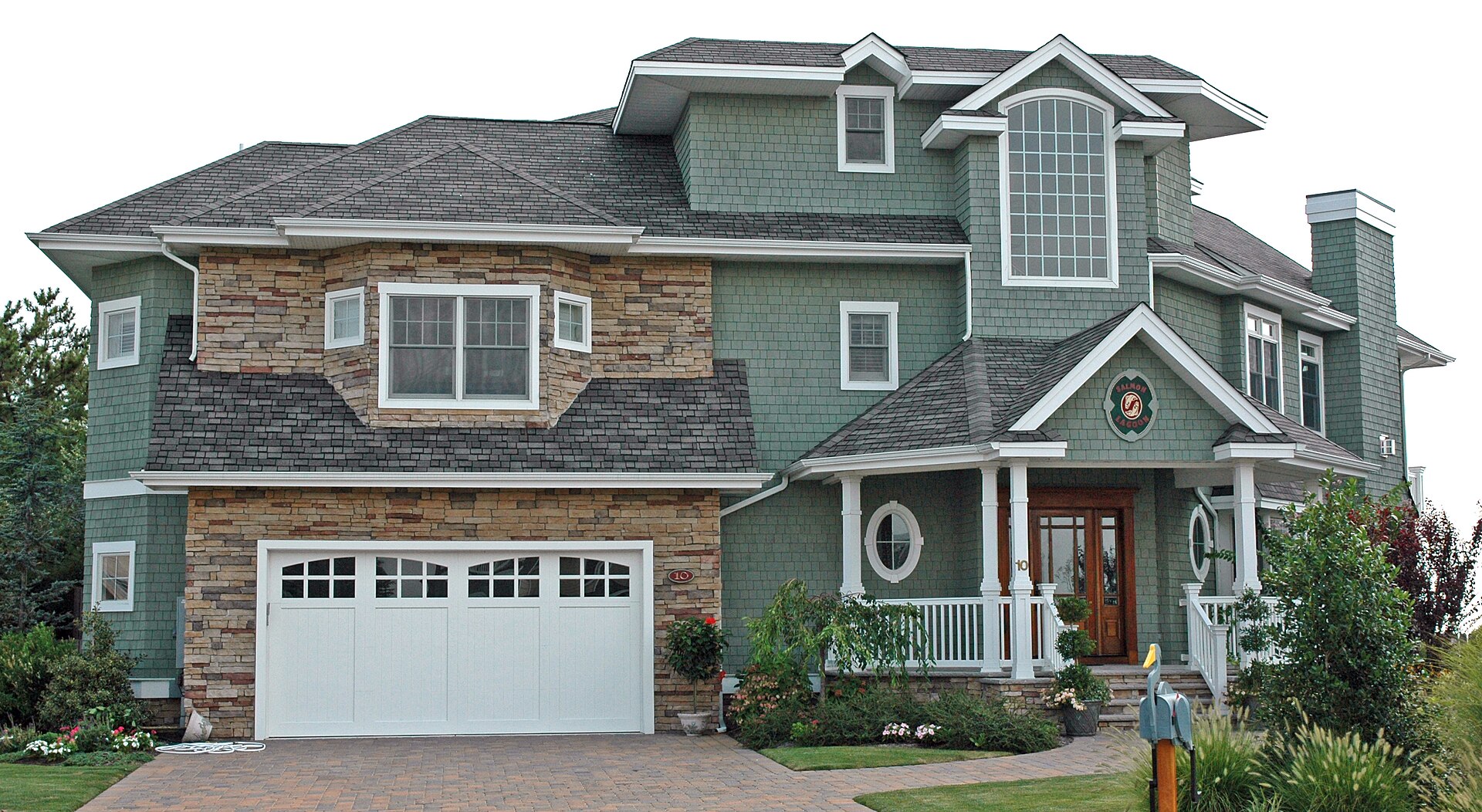
North Cowichan is a district municipality of about 32,000 people that wraps around the City of Duncan and stretches from the oceanfront mill communities of Chemainus and Crofton to the farmland of Westholme and the docks at Maple Bay ([en.wikipedia.org/wiki/North_Cowichan](https://en.wikipedia.org/wiki/North_Cowichan)). That spread shapes every roofing job here. The district is a mix of small-town residential streets, acreage and rural-residential lots carved out of second-growth forest, and older waterfront houses in Crofton, Chemainus and Maple Bay, with cedar shake still on a good share of the pre-1980 stock. Converting a shake roof to asphalt or metal is a routine North Cowichan job, and it is heavier work than a straight shingle swap: the shakes, their strapping and sometimes the sheathing under them all come off first.
Permits and bylaw rules
Section 2(1) of North Cowichan's [Building Bylaw](https://www.northcowichan.ca/media/473) states, “This bylaw applies to new buildings and structures’ design, construction, and occupancy, and existing buildings and structures’ alteration, demolition, reconstruction, relocation, removal, and occupancy.” The District’s [renovation and alteration guide](https://www.northcowichan.ca/municipal-hall/permits-forms-applications/building-renovation-and-alteration) lists non-structural shingle replacement under $25,000 as maintenance that does not need a permit. The guide lists structural changes as requiring a permit. If the quote reaches that threshold or the crew expects to replace sheathing or repair rafters, confirm the scope with the Building Department before work starts.
[Building permits stay active for up to two years](https://www.northcowichan.ca/business-development/building-services/building-inspections), with any shorter term listed in the permit conditions. Work substantial enough to require an inspection must start within six months of permit issuance. Call 250-746-3102 or email [email protected] to book an inspection.
Check which municipality your property is in before relying on its permit guidance.
Forest lots, salt air and rain
Sheltered by the mountains of the central Island and the Olympic Peninsula, North Cowichan has a Mediterranean-like climate — mild, damp winters with little snow and warm, dry summers — and takes roughly 1,365 mm of precipitation a year, with November through January the wettest stretch and July and August nearly dry ([en.wikipedia.org/wiki/North_Cowichan](https://en.wikipedia.org/wiki/North_Cowichan)). On a roof that pattern does three things. Moss, lichen and needle debris grow fast on shaded forest lots — a re-roof is the moment to strip, treat and fix the ventilation that let them take hold, and to plan gutter protection for the conifers overhead. Months of wind-driven rain find every valley, skylight and chimney flashing, so the underlayment matters as much as the shingle brand: self-adhering membrane at eaves and valleys is standard practice in this climate. And in the salt-air neighbourhoods along the water — Crofton, Chemainus, Maple Bay — fastener and flashing corrosion runs faster than inland, which is a real argument for stainless or coated fasteners and for asking hard questions about metal roof systems near the ocean.
The season
The dry window runs roughly May through September, and that is when Cowichan Valley crews are booked hardest. Book a re-roof in late spring for a summer slot; a tear-off that runs into the first October blow is the mistake to avoid, because the roof is open overnight. Fall and winter jobs happen between weather systems, but the quote should then price tarps, overnight protection and weather days.
What drives the price
Quotes move most on what's under the old roof and how far the crew is driving: shake conversions add stripping weight, bin count and disposal volume, and rotten sheathing discovered mid-job is usually billed extra at a per-sheet rate. Rural and acreage lots often mean several roofs — house, shop, barn — and pricing each separately changes the total. Material grade (three-tab versus architectural shingles versus metal), flashing and chimney work, skylight replacement, moss treatment and ventilation upgrades all sit on top, and corrosion-resistant detailing costs more on the ocean side of the district. In BC, roofing contractors generally [pay PST on materials they buy for the job](https://www2.gov.bc.ca/gov/content/taxes/sales-taxes/pst/charge-collect/pst-real-property-contractors/contractors-paying-pst). They [do not charge customers PST on roofing services](https://www2.gov.bc.ca/gov/content/taxes/sales-taxes/pst/charge-collect/pst-real-property-contractors/contractors-charging-pst).
What to ask each North Cowichan roofing contractor
- Does the quote qualify as non-structural shingle replacement under $25,000, and who will [confirm any permit requirements with the Building Department](https://www.northcowichan.ca/municipal-hall/permits-forms-applications/building-renovation-and-alteration) before work starts?
- What happens to the price if you find rotten sheathing under the shakes: what per-sheet rate, and is it in the quote?
- What underlayment and membrane detail do you use at the eaves and valleys for a wet-coast winter?
- On a lot near the water — which fasteners and flashing metals do you use against salt-air corrosion?
- How do you handle moss and conifer debris: treatment, disposal, and protecting the garden and gutters?
- Can you add roof-to-wall seismic strapping while the deck is open, and what does that cost?
- Which parts of the quote cover flashing, chimney and skylight work, and which vents get replaced?
- Can I see your WorkSafeBC clearance letter and liability insurance before the deposit, and what is the workmanship warranty in years, separate from the material warranty?